Seven easy options for dogs
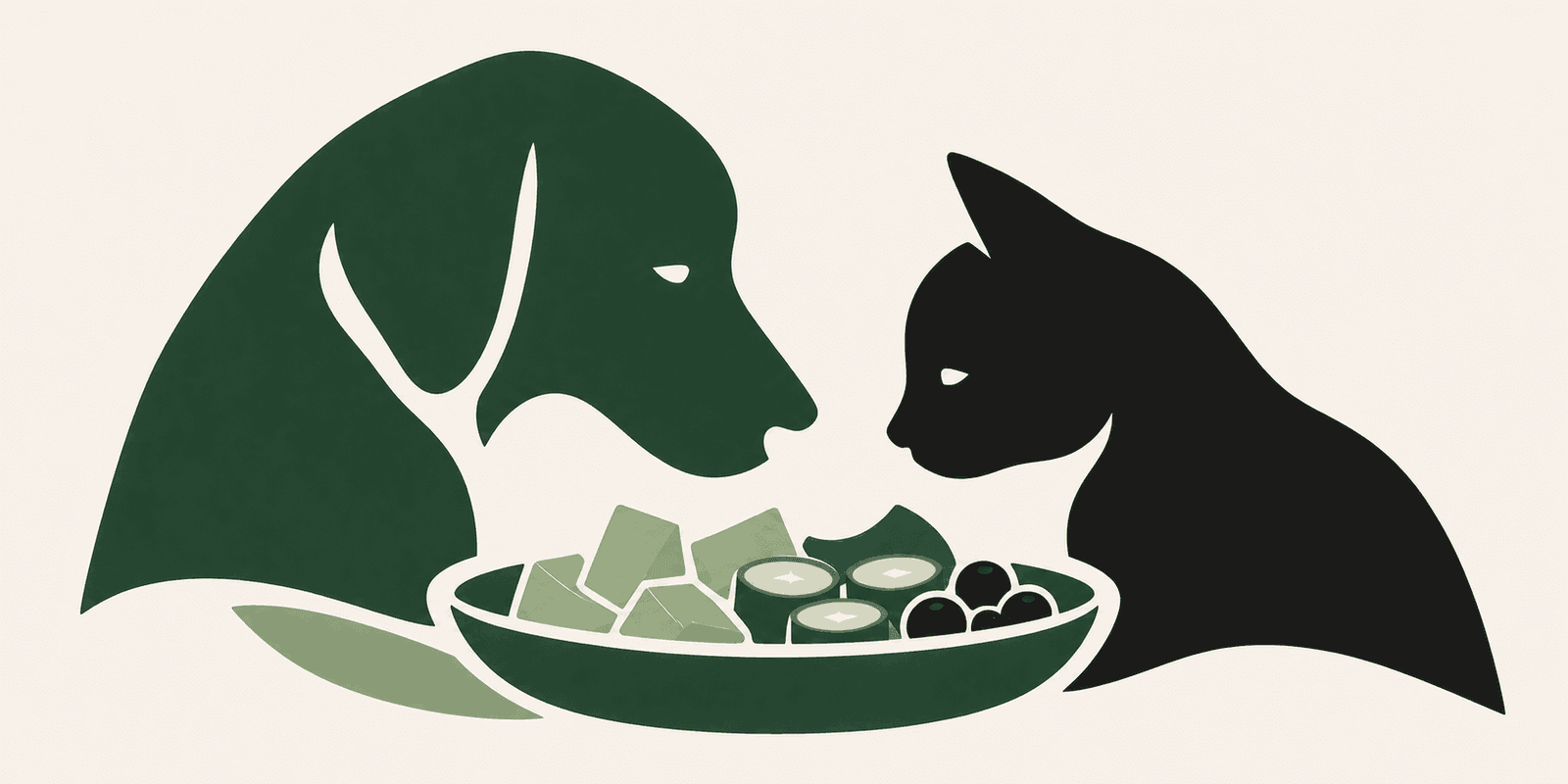
For many healthy adult dogs, these can work as occasional treats. Fresh and plain is the theme.2,1,8
- Cucumber: Wash it, slice it, and cut the slices down for a small dog. If the peel is tough, remove it.1,8
- Carrots: Raw or cooked carrots are fine without butter, salt, or seasoning. Cut firm pieces small enough to lower the choking risk.2,1,8
- Green beans: Serve them plain, fresh, or cooked. A buttery casserole bean doesn't count.2,1,8
- Zucchini: Raw or cooked pieces can work. Skip the oil and seasoning.2,8
- Blueberries or strawberries: Wash them, remove strawberry tops, and cut larger berries down. A few are plenty.2,1
- Watermelon or cantaloupe flesh: Remove the seeds and rind, then cut the flesh into small cubes.2,1
- Apple flesh: Remove the stem, core, and every seed before sharing a piece.2
A shorter list for cats
For a healthy adult cat who seems interested, try a small, plain piece of green bean, pea, corn kernel, or broccoli floret. A corn kernel is fine; a piece of cob isn't.7
You'll see longer cat lists online. We kept this one short because these four foods have clear cat-specific guidance. Cats rely on nutrients found in animal products and don't need garden produce added to a complete and balanced diet. Plenty of cats will pass on the whole idea.5
The prep matters
Wash produce under running water before cutting it. Skip soap and commercial produce wash. Remove rinds, pits, cores, stems, leaves, and seeds, then cut the food to suit your pet's size. Serve one new food at a time, in a small amount, so it's easier to spot a stomach upset or other reaction.10
Plain really does mean plain. Salt, butter, garlic, onion, sweeteners, and rich sauces can turn a simple snack into a problem. If you're making a frozen treat with yogurt or peanut butter, read the ingredient label first. Xylitol, a sweetener found in some packaged foods, can cause dangerously low blood sugar and liver damage in dogs.6
Pets with diabetes, kidney disease, pancreatitis, food sensitivities, weight concerns, or a veterinary diet may need a different snack plan. Ask your veterinarian before adding extras if your pet has a medical condition.3,4
Keep these away from the snack plate
Some of summer's most familiar garden foods need more care.
- Grapes and raisins: Keep them away from dogs and cats. They can damage a dog's kidneys, and the amount that causes illness is unpredictable. Current cat treat guidance puts them on the do-not-feed list too.11,4
- Onions, garlic, chives, and leeks: These alliums can damage red blood cells. Cats are especially sensitive, and dogs are at risk too. Cooking or drying doesn't make them safe.12
- Tomato plants: Ripe tomato flesh is listed as non-toxic, while the plant and unripe fruit need to stay out of reach. Prepared tomato dishes may also contain onion, garlic, salt, or fat.9,8
- Peach, plum, apricot, and cherry pits: A whole pit can choke a pet or block the digestive tract. Crushed seeds can release cyanide. Put fallen fruit and trimmings where pets can't reach them.13
- Corn cobs: Dogs can swallow large pieces that lodge in the digestive tract. Give cats only loose kernels, and put cobs straight into a covered trash or compost bin.13,7
Still wondering about something from the garden? PetRoot Plus members can ask Spot, PetRoot's assistant, about human foods for dogs and cats. Spot checks PetRoot's safety information and can keep your pet's saved sensitivities in mind.
Ask Spot is for general questions and planning. If your pet may have eaten a toxin or is showing symptoms, call a veterinarian or animal poison control right away.15
A simple summer snack
Pick one food, prepare it plainly, and offer a small piece. A dog may be thrilled by a cold cucumber slice. A cat may accept one green bean, then walk away without a word. Either response is useful feedback.
Sources
- Treat Guidelines for DogsUniversity of California, Davis School of Veterinary Medicine
- Feeding Treats to Your DogWorld Small Animal Veterinary Association Global Nutrition Committee
- Feeding Treats to Your CatWorld Small Animal Veterinary Association Global Nutrition Committee
- Feeding Your CatCornell University College of Veterinary Medicine, Feline Health Center
- People Foods to Avoid Feeding Your PetsASPCA Animal Poison Control Center
- Healthy, Safe Snacks to Help Your Pet Slim DownASPCA Animal Poison Control Center
- Pets and Produce: Top Tips on Vegetable Garden SafetyASPCA Animal Poison Control Center
- Tomato PlantASPCA Animal Poison Control Center
- Selecting and Serving Produce SafelyU.S. Food and Drug Administration
- Grape, Raisin, and Tamarind Toxicosis in DogsMerck Veterinary Manual
- Garlic and Onion Toxicosis in AnimalsMerck Veterinary Manual
- Potentially Dangerous Items for Your PetU.S. Food and Drug Administration, Center for Veterinary Medicine
- Is It Ever Safe to Induce Vomiting?ASPCA Animal Poison Control Center
- Who Do You Call if You Have a Pet Emergency?U.S. Food and Drug Administration, Center for Veterinary Medicine